Vibe Coding in 2026: The Reality Behind the Hype
Vibe Coding in 2026: The Reality Behind the Hype
Article #20 | CodeBit Daily Analysis
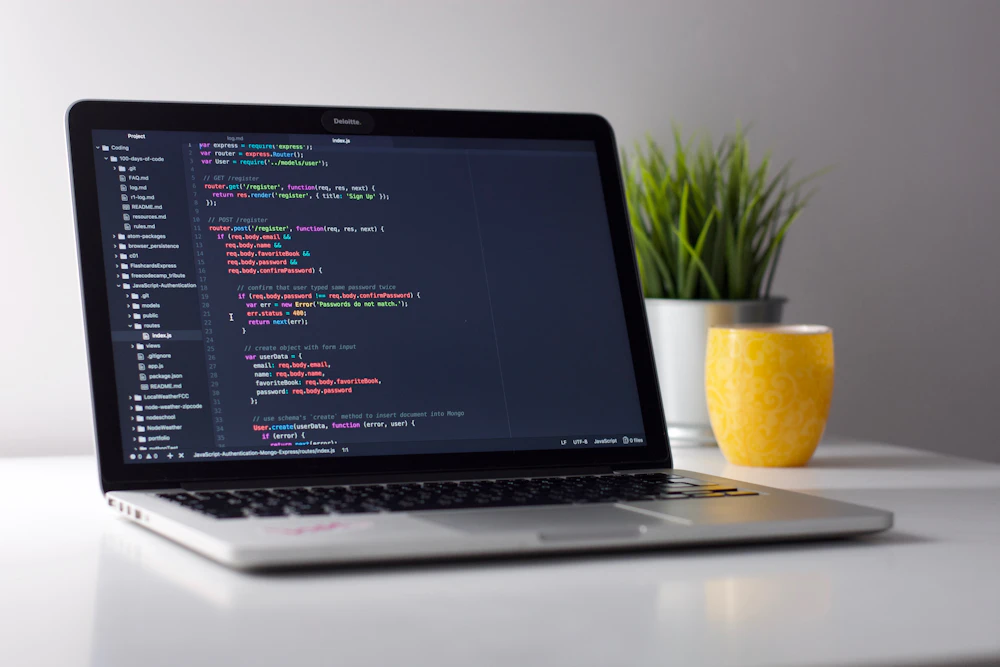
"Vibe coding" — describing a feature in natural language and letting an AI agent write the implementation with minimal manual editing — went from a niche term to mainstream practice faster than almost any development trend in recent memory. Industry analysts project a large majority of new code will be AI-generated by the end of 2026. The hype is real. So are the numbers nobody puts on the landing page.
1. The Number That Should Change How You Vibe Code
Security researchers analyzing AI-generated code in 2026 found that a striking share of it — roughly 45% in some assessments — contains at least one security vulnerability. Not stylistic issues. Not minor inefficiencies. Actual exploitable weaknesses: injection flaws, missing authorization checks, insecure defaults. Teams that adopted vibe coding without adjusting their review process also saw a meaningful rise in code churn — code getting rewritten shortly after being merged, a sign the first version solved the wrong problem.
None of this means vibe coding is a bad idea. It means treating AI-generated code as "probably fine, ship it" is a bad idea — and that distinction is the entire point of this article.
2. Why the Trust Gap Is Widening, Not Closing
Here's a counterintuitive data point: as more developers adopt AI coding tools, fewer report being fully satisfied with them. Favorable sentiment toward AI coding tools has actually declined over the past two years, even as daily usage climbed. The most common complaint isn't that the tools produce broken code — it's code that's "almost right, but not quite," which is arguably more dangerous, because it passes a casual glance.
This matches exactly what we covered in our AI-generated code testing guide: code that looks correct is a harder problem than code that's obviously broken, because obviously broken code gets caught immediately, while "almost right" code ships and fails later, in production, under different conditions than it was written for.
3. Where Vibe Coding Genuinely Works Well
To be fair to the practice, it's not uniformly risky. It works well for:
- Throwaway prototypes — validating an idea before any production commitment
- Internal tools with a small, trusted user base and low blast radius if something breaks
- Well-trodden patterns — CRUD interfaces, standard form handling, boilerplate that's been written a thousand times before and has little room for subtle misunderstanding
It works poorly for anything touching authentication, payments, user data, or business logic with edge cases that aren't obvious from a one-line prompt — exactly the areas where that 45% vulnerability rate tends to concentrate.
4. A Practical Vibe-Coding Discipline
If you're going to vibe code — and most developers now do, at least some of the time — the discipline that separates safe usage from the statistics above is simple to state and easy to skip under deadline pressure:
- Classify the task before you start: throwaway, internal, or production-facing. This decision changes everything downstream.
- For anything beyond throwaway, run a security-focused pass before merge — not a full manual rewrite, just a targeted check against known failure patterns.
- Never vibe code authentication, payment logic, or anything touching PII without a mandatory human security review, regardless of how simple the prompt felt.
5. The Checklist Habit That Closes the Gap
The single highest-leverage habit here is absurdly simple: keep a specific, written security checklist open while reviewing AI-generated code, instead of relying on "it looks fine" judgment under time pressure. The 45% vulnerability rate isn't because developers don't know what a SQL injection looks like — it's because reviewing AI output at the speed AI produces it, without a structured checklist, means the obvious things get missed exactly because they're routine.
Frequently Asked Questions
Is vibe coding just a rebranding of "using AI to write code"?
Mostly, yes — the term specifically emphasizes minimal manual editing and trusting the output more than earlier AI-assisted workflows did, which is exactly why the review discipline matters more, not less.
Should junior developers avoid vibe coding entirely?
Not necessarily — but they benefit most from pairing it with an explicit checklist, since the pattern-recognition that lets senior developers "just notice" a vulnerability takes years to build.
Does this apply equally to every AI coding tool?
The specific vulnerability rate varies by tool and model, but the underlying dynamic — code that looks correct more often than it is correct — applies broadly across tools in 2026.
🛡️ Close the review gap without slowing down
Our AI Code Review Checklist Pack gives you four ready-to-use checklists — Security, Performance, Accessibility, and AI-code red flags — so the review discipline above takes minutes, not a mental reconstruction every time.
Get the AI Code Review Checklist Pack — $9 →Disclosure: This is a paid digital product created by the author of this site.
Conclusion
Vibe coding isn't going away, and it shouldn't — it's a genuine productivity shift. But "fast" and "unreviewed" are not the same thing, and the data makes clear which teams are conflating them. CodeBit Daily.


Comments
Post a Comment